Faroe Islands
A dramatic, wind-swept archipelago of cliffs, sea stacks, and fjords, compact enough to explore fully in one week, with no drive longer than 45 minutes.
Sights & activities
- Mylingur: One of the most impressive cliffs in the Faroes. No official trail, but accessible; the difficulty rewards visitors with solitude. Expect a genuine hike and bring proper footwear. reel
- Klakkur: A perfect panoramic sunset viewpoint, with the chance to stand above the clouds on clear days. Best visited at sunset. reel
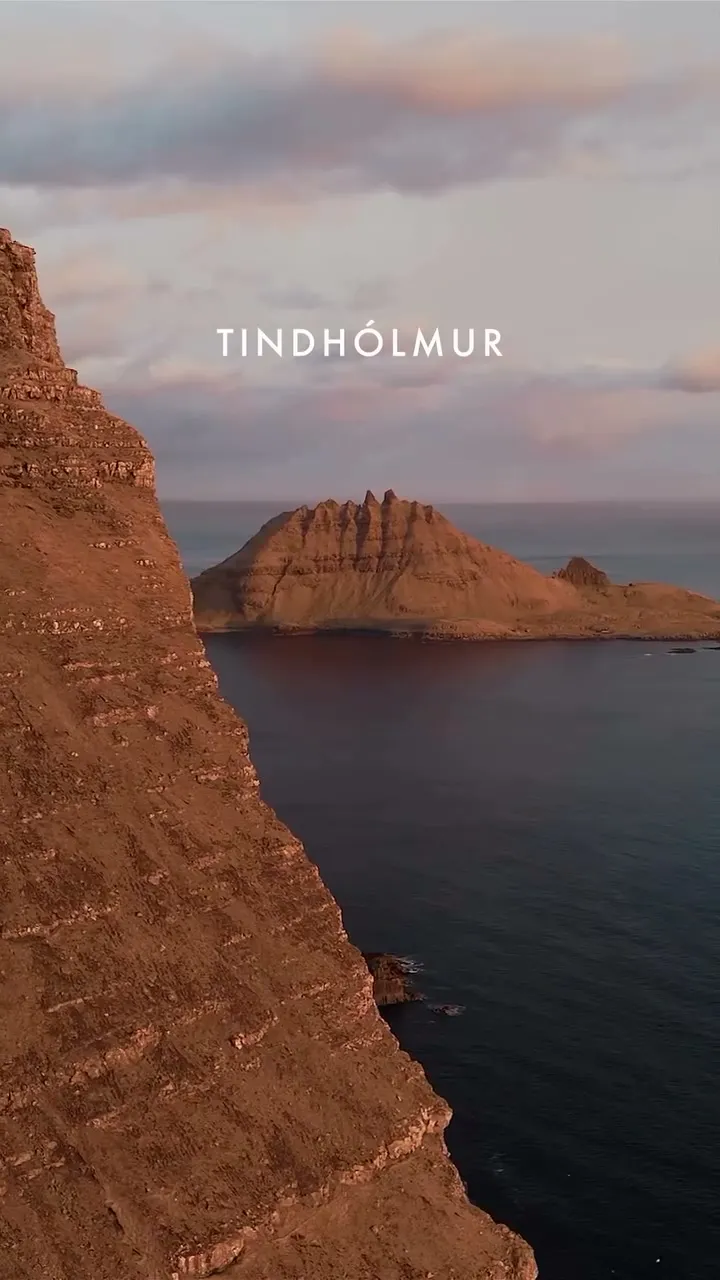
- Tindhólmur: Island nicknamed the “sleeping dragon” for its shape, offering stunning perspectives; visible from Bour. reel
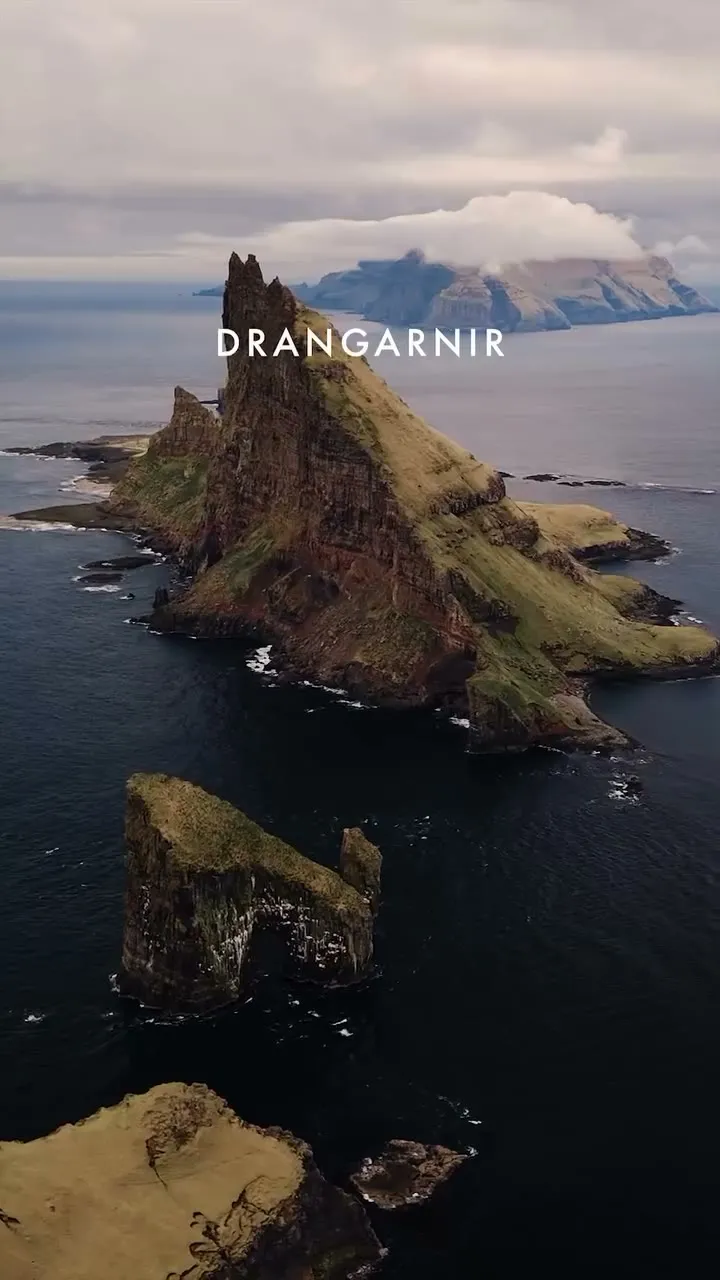
- Drangarnir: Iconic sea stacks visible from Bour village; a classic photographic landmark. reel
- Kalsoy: A long, thin, mysterious, and almost deserted island, accessible only by ferry. The northern tip offers unforgettable views, so plan your ferry timing accordingly. reel
- Bour: Charming fishing village with grass-roofed houses, friendly dogs, and stunning views of Drangarnir and Tindhólmur. A great first taste of authentic Faroese village life. reel
- Ásmundarstakkur (southern island of Suuroy): Breathtaking sea stacks and cliffs with dramatic cliff-top positioning. Bring proper footwear and exercise caution. reel
- Funningsfjørður: Scenic fjord landscape with a winding road through dramatic terrain. reel
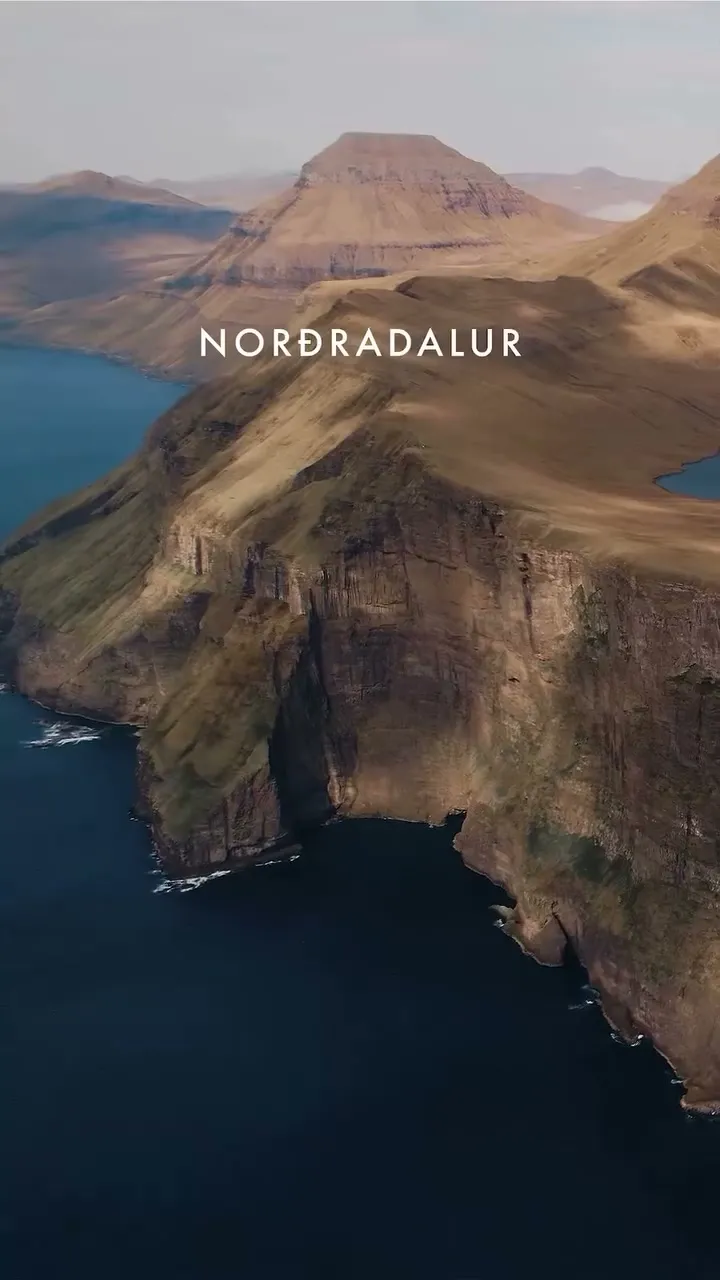
- Norðradalur: Mountain and fjord landscape featuring dramatic geological formations. reel
Practical tips
- All six spots above are accessible within one week; the longest drive is only 45 minutes. reel
- The islands are well-connected by roads, bridges, and tunnels, making navigation easy. reel
- Kalsoy requires ferry access, so plan your schedule accordingly. reel
- Great destination for photography and drone footage thanks to varied landscapes, from cliffs to fjords. reel
- Weather is variable, so bring layers and waterproof gear. reel
← Back to the globe
Backdrop: Thomas Heins (Wikimedia Commons, CC BY 4.0)